

What type of Wood should you choose? Why Your Wood Choice is a Lifetime Decision
When commissioning a piece of furniture, the price tag is often the first thing people notice. You’ll see Pine on the lower end and White Oak or Walnut on the higher end. However, the true cost of furniture is measured in years, not dollars. While Pine has its place in rustic decor, our hardwoods—Maple, Oak, Walnut, Ash, and Cherry—are in a completely different league of durability and refinement. Here is why hardwood is the smarter investment for your home.
1. The Durability Gap: Hardness You Can Feel
The most significant difference lies in the Janka Hardness Scale, which measures a wood's resistance to denting and wear.
The Pine Problem: Pine is a softwood. It is biologically designed to grow fast and light. In a busy home, a Pine table will show every "oops" moment—from a dropped fork to a child’s homework indentations—within weeks.
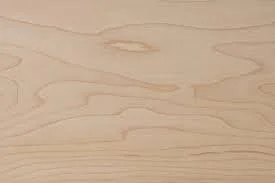
The Hardwood Standard: Woods like Maple and White Oak are incredibly dense. They are "closed-grain" powerhouses that resist the daily scratches and dings that ruin the finish of softer woods.
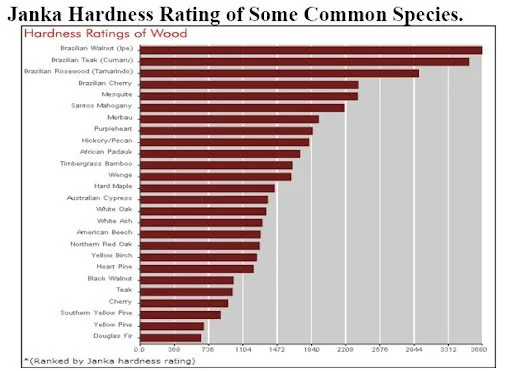
The Verdict: If you want a table that still looks brand new in 10 years, Hardwood is the only choice
2. Aesthetic Refinement vs. Rustic Knots
There is a visual "sophistication" that comes with hardwoods that Pine simply cannot replicate.
Pine: Known for large, dark knots and a "yellowing" effect as it ages. It often looks "country" or "DIY," which can limit your home's design evolution.
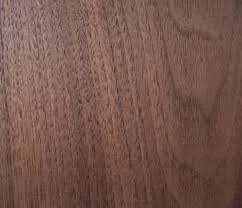
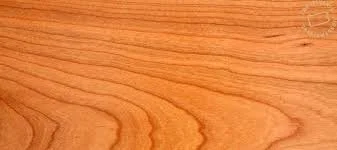
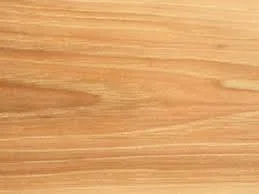
Hardwood (The Classics): * Walnut & Cherry: Offer deep, rich natural colors that don't need heavy stains to look expensive.
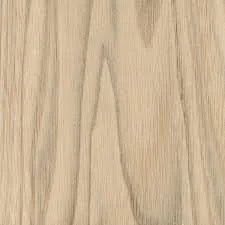
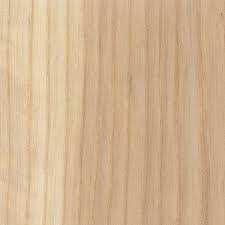
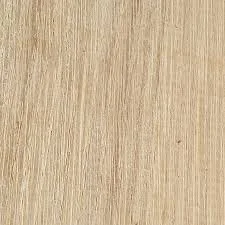
White Oak & Ash: Provide a clean, modern, and architectural look with consistent grain patterns that suit high-end interiors.

3. Longevity: Heirloom vs. Temporary
We live in an era of "fast furniture," but a hand-crafted hardwood piece defies that trend.
Structural Integrity: Hardwoods hold joinery (like dovetails and tenons) much more securely over time. Pine is prone to "stripping" screws and loosening at the joints because the fibers are so soft.
Refinishing Potential: Because hardwoods are so dense, they can be sanded and refinished multiple times over decades. A hardwood table is an asset that appreciates in sentimental value, often being passed down through generations.
4. Where Does Reclaimed Wood Fit In?
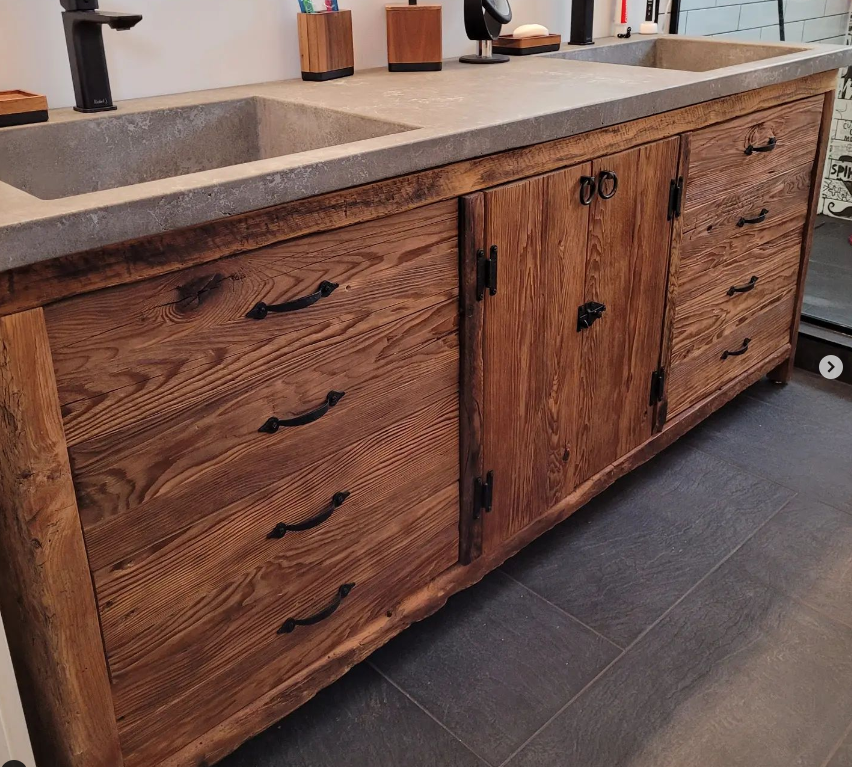
If you love the "character" of Pine but want the strength of a hardwood, Reclaimed Wood is your best friend. Because reclaimed timber often comes from "old-growth" trees, it is significantly denser and more stable than the "new" Pine you find in big-box stores. It offers the history and soul of aged wood without the structural weaknesses of modern softwoods.
5. Comparison: At a Glance
Feature Pine (Softwood) Hardwoods (Oak, Maple, Walnut)
Daily Use Dents and scratches easily Extremely impact-resistant
Visual Style Rustic, knotty, casual Refined, elegant, high-end
Lifespan 5–10 years of "peak" look 50–100+ years (Heirloom)
Value Lower upfront cost Higher resale and long-term value
Which Should You Choose?
If you are looking for a temporary solution for a guest room or a light-use shelf, Pine or Cedar (for outdoors) is a fine, budget-friendly option.
However, for the "anchor" pieces of your home—the Dining Table, the Executive Desk, or the Kitchen Island—investing in Maple, Oak, or Walnut ensures that you only have to buy it once.